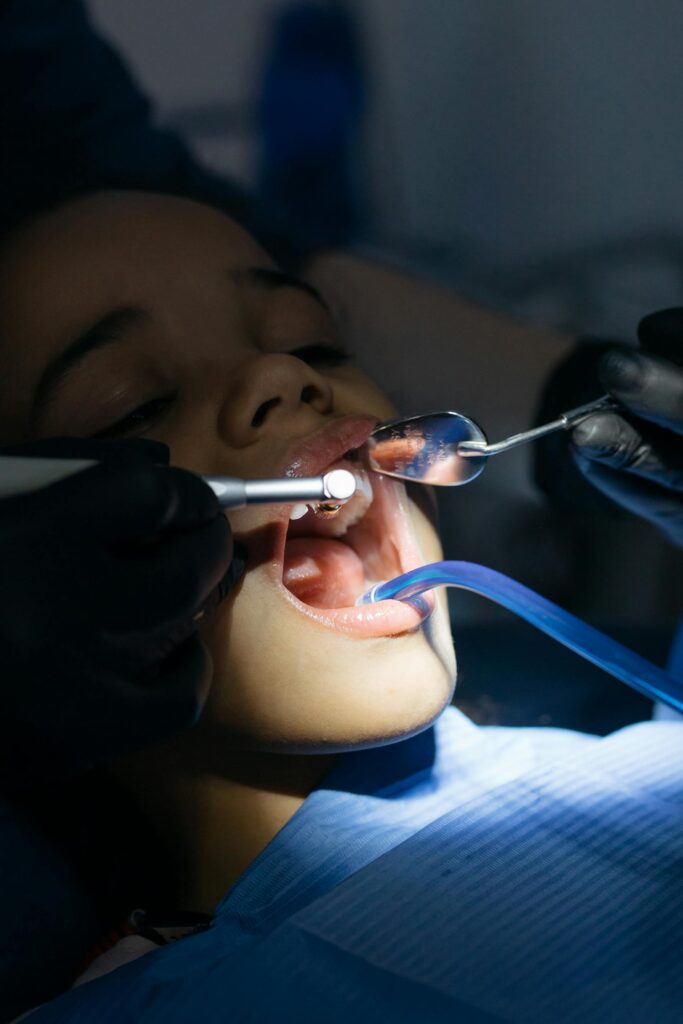
Children usually start losing their baby teeth at the age of six or seven to make room for their adult teeth. You’ve probably noticed a lot of kids this age with big, gaping smiles because the front teeth, called incisors, are usually the first teeth to go.
How do baby teeth come out normally?
Usually, when the permanent tooth begins to erupt, the roots of the baby teeth loosen to the point where they are loose enough to fall out. Most kids often help them in the falling process by giving them a good old-fashioned shake.
In many cases, there is no need for a dentist in Toronto. Baby teeth fall out on their own to make room for permanent adult teeth (secondary teeth). This usually occurs when children are 6 or 7 years old. And it is common for parents and their children to make a game of pulling loose baby teeth.
But you should not pull your adult teeth. Losing a mature tooth can threaten the health of your teeth and gums. Some common side effects can include the following:
- Bleeding or swollen gums (gingivitis)
- Receding gum line
- Tooth decay in surrounding teeth
- gum infection (mouth trench)
- face sagging
- bone loss
Let’s discuss the big differences between baby tooth extraction and adult tooth extraction.
How to pull milk teeth without going to the dentist?
Baby teeth usually fall out without any help. It is important not to pull out the baby tooth too soon. They help guide adult teeth inward and help develop facial structures such as the jaw.
But in case of tooth decay, see your child’s dentist. Bacteria or plaque can spread to adjacent teeth if not cleaned or treated. In many cases, primary molars (near the back of the mouth) are usually removed because they are hard to reach with a toothbrush and have more surface area.
Here are some tips to help your baby get teeth:
- Tell them to use their tongue to wiggle the tooth until it comes out.
- Forbid them from pressing the teeth with their hands. It is easy to accidentally apply too much force to a tooth. Dirty hands can also introduce harmful bacteria into the mouth.
- Don’t worry about the blood. A tooth that is ready to come out will not bleed much.
Reasons for extracting teeth in adults
Some of the reasons why adult teeth may be pulled are:
- Extraction of wisdom teeth to prevent pain, pressure, decay, and crowding of other teeth
- Extensive decay, cavities, or infection
- Crowding of adult teeth that cannot be treated with braces alone
- Adult teeth are deeply rooted in your jaw and are surrounded by gums, nerves, and blood vessels. Pulling teeth yourself can cause permanent damage or leave part of the tooth behind. This can lead to cavities, infection, and sagging. Your dentist can also use special tools and procedures to stabilize the tooth or save it from decay or infection.
How to take care of your teeth
Good daily dental hygiene is the best way to prevent health problems and long-term complications related to your teeth, gums, and mouth.
To keep your teeth strong and healthy, do the following:
Use fluoride toothpaste and mouthwash at least twice a day (once in the morning and once in the evening or right after meals).
Floss daily to remove food from hard-to-reach places between the teeth and near the gums.
To protect teeth from decay, drink water containing fluoride.
See your dentist at least once every six months for cleanings and other necessary procedures.
Limit or avoid sugary foods and drinks that can make your teeth more vulnerable to decay.
Avoid smoking, as it causes gum disease and tooth loss.
Children eventually lose their baby teeth. Baby teeth usually erupt when a child is 6 or 7 years old – lower central incisors are usually the first to emerge. Pulling loose baby teeth can be a fun family activity or even a way for your child to feel more independent and in control of their body.
But adult teeth are permanent. Loose teeth can be a big problem.
Do not pull an adult’s tooth yourself. See your dentist right away to avoid any complications or health problems that can occur as a result of dental problems or improper tooth extraction.
When should milk teeth be extracted?
However, sometimes teeth don’t fall out as easily as we hope. So you may wonder if you should go ahead and pull the tooth yourself. We recommend that you do not pull out the teeth yourself. It is better to wait until the tooth falls out on its own and comes out by force. We know your baby can look a little weird with teeth hanging out, but there’s no point in pulling your baby’s teeth apart from the beauty teeth.
In this case, pulling your child’s teeth if he is not ready carries all kinds of risks. Pulling your baby teeth can:
- It causes excessive bleeding that you don’t want to deal with and you also risk upsetting your baby.
- It causes damage to gum tissue that can cause problems later in life and one day prove to be an expensive problem to fix.
- Cause infection An infection can not only damage the gums, but it can also cause your child severe pain. Pain is usually the first sign of an oral infection. And again, you have to spend money to treat the infection.
- Please note that if your child ever has any pain in their mouth, please contact our lovely team of dentists straight away. Pain means something is wrong. Whatever is causing this pain never heals itself, it must be treated.