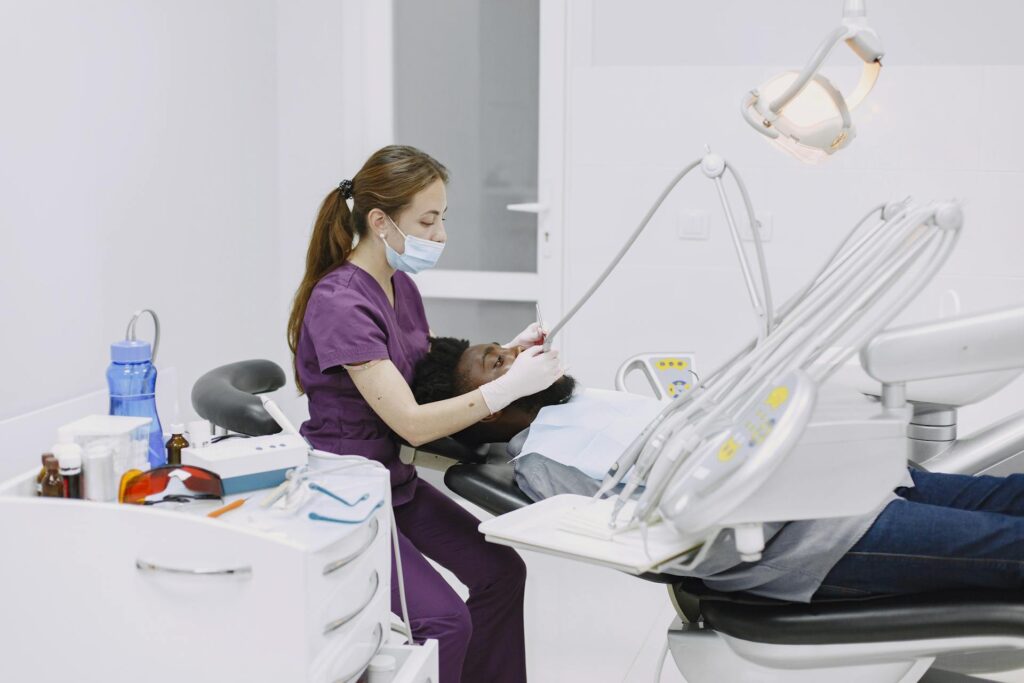
Dental sedation is one of the modern and safe methods for reducing pain and anxiety during dental treatments. This method is performed to create relative calm and numbness in the patient so that the person can go through the treatment process without fear or discomfort. Before performing sedation, there are important points that should be observed to increase the safety and success of the treatment. Important points before performing dental sedation include examining the general health status, physical and mental fitness of the patient, as well as detailed information about the medications used, which should be carefully evaluated by the dentist and the treatment team.
Sedation is especially recommended for people who suffer from severe anxiety, fear of dentistry, or need to undergo long and complex treatments. By using sedation, the patient is placed in a state of deep relaxation, and the pain and stress caused by the treatment are minimized. In addition to helping the patient’s comfort, this method also improves the conditions for the dentist and allows for more accurate and better treatments. There are different types of sedation, and the best type is chosen depending on the needs and conditions of each person.
Essential Preparations Before Sedation
To have a safe and successful experience in dental sedation, it is essential to observe a few important points before starting the treatment. These preparations help reduce risks and increase the effectiveness of the procedure.
Complete medical consultation: It is important to provide the dentist with detailed information about your medical history, underlying diseases, and medications to prevent drug interactions and possible complications.
No food or drink: Avoid eating and drinking for at least 6 hours before treatment to reduce the risk of stomach contents returning to the respiratory tract.
Adequate rest: Adequate sleep and rest the night before increase the body’s tolerance to sedation medications and reduce anxiety.
Having a companion: Having a companion during and after treatment is very important to help with transportation and care for the patient.
Wearing comfortable clothing: Loose and comfortable clothing helps the patient feel more relaxed during treatment.
Following these simple but vital tips will make the treatment process safer and more relaxed, leading to a positive and stress-free experience. Proper preparation is the key to successful sedation and the patient’s health during the treatment process.
How to Control Anxiety and Fear Before Sedation?
Anxiety and fear before dental sedation are completely normal issues that many patients face. To control these feelings, the first step is to be aware and understand the sedation process properly. Knowing how sedation works and its goal is to reduce pain and discomfort can help reduce concerns. Also, talking to the dentist and raising all questions and concerns creates a sense of confidence and peace in the patient.
There are also several methods to reduce anxiety before sedation, including deep breathing exercises and mindfulness. These techniques help to calm the nervous system by focusing on the present moment and controlling breathing. In cases where anxiety is very severe, the dentist may prescribe mild sedatives before the treatment begins. Family support and being present during the treatment session can also play an effective role in reducing the patient’s fear.
What medications and foods should be avoided before sedation?
Before undergoing dental sedation, it is very important to avoid certain medications and foods to prevent complications and drug interactions:
Alcohol and tobacco: Alcohol consumption is prohibited for at least 24 hours before because it may interfere with sedation medications and cause more severe side effects. Smoking also slows down the healing process and is not recommended.
Blood thinner, Such as warfarin or aspirin, increases the risk of bleeding during treatment. A doctor should be consulted before sedation.
Sedatives or sleeping pills: Taking them simultaneously with sedation medications may intensify the effects of the medications and pose risks.
Heavy or fatty foods: Heavy, fatty, or sweet foods should be avoided for at least 6 hours before sedation to ensure an empty stomach and reduce the risk of reflux.
Caffeine: Caffeinated beverages such as coffee and tea should be limited before sedation to reduce anxiety and stabilize the heart rate.
Following these steps will help reduce the risk of complications and provide a safer and more comfortable experience during sedation. Be sure to talk to your dentist about the medications and foods you take before treatment.
Tests and Examinations Required Before Sedation
To ensure the safety and success of sedation treatment, it is essential to perform certain tests and medical examinations before starting. These steps will help the dentist assess the patient’s general health and reduce possible risks.
Complete Clinical Examination: Examination of the condition of the teeth, gums, and mouth to detect problems that may affect the treatment process.
Medical History Evaluation: Gathering detailed information about underlying diseases such as heart disease, diabetes, asthma, and drug allergies.
Blood Test: In some cases, blood tests are required to check blood factors such as hemoglobin levels, blood clotting, and kidney and liver function.
Electrocardiogram (ECG): An electrocardiogram (ECG) is recommended for patients who have a history of heart problems or are over 40 years of age to evaluate heart health.
Respiratory status assessment: Checking lung function and a history of breathing problems, such as asthma or sleep apnea, which can affect the sedation process.
These background examinations allow the dentist to choose the best sedation method and prevent serious complications.
Possible side effects of sedation and prevention methods
Dental sedation is generally a safe and controlled procedure, but like any medical treatment, it can have side effects. Possible side effects include temporary drowsiness, nausea, headache, dry mouth, or, in rare cases, allergic reactions. Some patients may experience low blood pressure or slow breathing after sedation, which is why close monitoring by the treatment team is necessary.
To prevent these side effects, it is vital to follow important points before treatment. The patient should fully discuss their health status with the dentist in Kingston, inform them of any medications they are taking, and any possible allergies. Also, following pre- and post-sedation recommendations, such as fasting for a sspecific period avoiding alcohol and certain medications, and having a reliable companion present, can help reduce the risk of complications.
Frequently Asked Questions About Dental Sedation
Is sedation suitable for all patients?
Sedation is suitable for most patients, especially those who have severe fear and anxiety or require long and complex treatments. However, the doctor will recommend the best method after a thorough examination of the patient’s health condition.
Is there any special care required after sedation?
Yes, patients should usually be careful for a few hours after sedation and avoid driving or heavy activities until the effects of the medications have completely worn off.
Does sedation have serious side effects?
Sedation is very safe in specialized centers and with close supervision. Serious side effects are very rare, and the treatment team follows all safety precautions to prevent any problems.