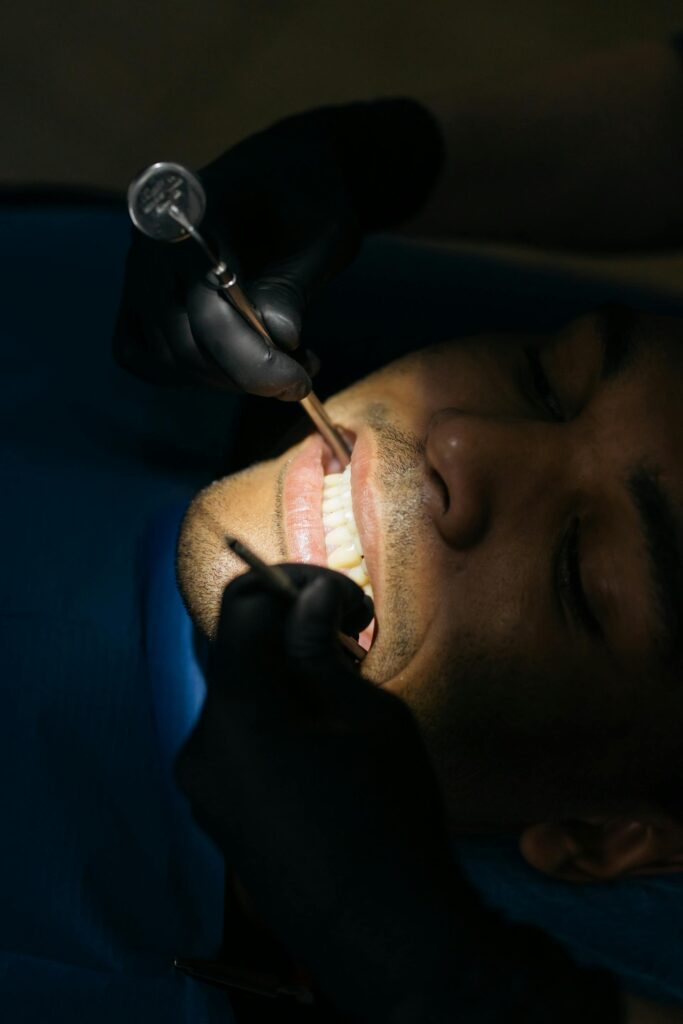
Every option for replacing missing or damaged teeth has its advantages and sometimes disadvantages. Removable dentures, also known as dentures, allow patients to restore their smile affordably and painlessly. But when using removable dentures, you should know about the best way to clean dentures.
Most cosmetic dentists recommend removable dentures for patients who need to replace multiple missing teeth. This procedure is usually recommended for patients who are concerned about the cost of dental treatment.
What are removable dentures?
Removable dentures and prosthetics are a type of dental appliance designed to replace multiple missing or severely damaged teeth. Unlike some dental appliances that are permanently fixed in the mouth using implants or adjacent teeth, removable dentures can be worn as desired.
A true removable denture looks like a small plate or frame. On top of the plate or frame are artificial teeth. The entire set of artificial teeth is uniquely designed to fit inside the patient’s mouth without pain or discomfort.
There are two types of removable dentures. The first type is a complete denture, which is created to replace all the teeth in the patient’s mouth. The second option is a partial denture, which is designed to replace only a small portion of the teeth. With this type of denture, you will have some of your natural teeth and your artificial teeth.
What is the best way to care for removable dentures?
Removable dentures require more special care to keep them stain-free and looking their best. To care for your dentures and to follow the best way to clean your dentures, follow these tips:
After eating, it is recommended to remove and rinse your dentures. Pour water over your dentures to rinse away food particles and other debris. It is best to place a towel over the sink so that if your dentures fall out, they do not break.
Handle your dentures with care and be careful not to bend the plastic or clasps too much when cleaning them to avoid damaging them.
After removing your dentures, clean your mouth thoroughly. Use a soft toothbrush to clean your teeth and tongue, and also clean your cheeks and the roof of your mouth with a soft toothbrush. While doing so, remove any remaining adhesive from the gums where the dentures were placed.
Rinse your dentures thoroughly at least once a day. It is recommended to remove your dentures every day and clean them gently. Clean your dentures with a soft toothbrush and a non-abrasive denture cleaning solution to remove food and other debris. If you use denture adhesive, clean the holes where the dentures are held in place under the gums to remove any adhesive residue. Be careful not to rinse your dentures inside your mouth.
Soak your dentures overnight, as most dentures need to stay moist to maintain their shape. Soak your dentures in water or a mild denture cleaning solution overnight. Ask your dentist about the proper way to store your dentures overnight.
Rinse your dentures thoroughly before putting them back in your mouth, especially if you use a special soaking solution. These solutions may contain harmful chemicals that may cause vomiting or pain and a burning sensation when swallowing.
Take regular dental checkups seriously. Your dentist will usually recommend how often you should visit the dental clinic to have your dentures checked and cleaned. The dentist will make sure that the denture fits well in your mouth without slipping or discomfort, and will also check the inside of your mouth to make sure it is properly positioned.
Consult your dentist in Kingston if your dentures are loose. Tell your doctor immediately if your dentures come loose. Loose dentures can cause irritation, sores, and infections of your teeth and gums.
Things to Avoid While Wearing Dentures
You should avoid the following while wearing dentures:
Avoid using abrasive cleansers or stiff brushes, strong scrubbing, and abrasive toothpastes to clean your dentures, as they can damage your dentures.
Whitening toothpastes that are advertised as whitening teeth often contain peroxide, which can slightly discolor your dentures.
Do not use any bleaching agent, atheyit may weaken and discolor your dentures. Do not soak your dentures and their metal attachments in solutions containing chlorine, as it may damage and ruin the metal.
Avoid hot or boiling water as it may cause your dentures to deform.
The Importance of Cleaning Dentures
People who wear dentures should be aware of the importance of cleaning and rinsing them at night to remove dirt and stains that may collect on the dentures. Even if there are no colored pigments on your dentures, your dentist may recommend that you soak them in water overnight.
If you notice that there is color on your dentures and it is accumulating on them, you can use a solution of water and vinegar to clean your dentures to prevent the accumulation of germs and food debris on your dentures.